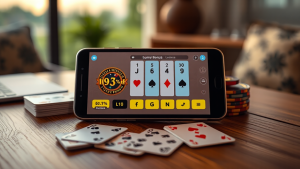
Rummy Good: A Complete Guide to Understanding This Popular Card Game
Card games have entertained people for generations, and among the many variations that exist worldwide, Rummy stands out as one of the most beloved. When players search for Rummy Good resources, they are typically looking for reliable information about how to play the game well, where to find quality digital versions, and what makes certain Rummy experiences stand out from the rest. This guide explores the game of Rummy in depth, covering its rules, strategies, popular variations, and how mobile technology has transformed the way people enjoy it today.
Rummy is a skill-based card game that rewards memory, observation, and strategic thinking. Unlike games that depend purely on luck, Rummy gives players meaningful decisions at every turn. That is precisely why so many people describe a well-designed Rummy game as “good” — it challenges the mind while remaining accessible to newcomers. Whether you are a complete beginner or someone who has played for years, understanding the deeper mechanics of Rummy can greatly improve your enjoyment.
What Makes Rummy Good Compared to Other Card Games
Many card games rely heavily on chance, but Rummy strikes a balance between luck and skill that few games achieve. A good Rummy experience offers several distinct advantages. First, the rules are straightforward enough that anyone can learn the basics in a single sitting. Second, the game offers depth — experienced players consistently outperform beginners because they understand probability, card counting, and the psychology of their opponents.
Another reason Rummy is considered good is its flexibility. It can be played with two to six players, making it suitable for intimate gatherings or larger groups. The game also adapts well to different formats, from traditional table play with physical cards to digital versions on smartphones and tablets. This versatility has kept Rummy relevant across generations and cultures.
Furthermore, Rummy encourages social interaction. Unlike solitary puzzle games, Rummy is inherently conversational. Players observe each other, react to discards, and celebrate successful melds together. This social dimension adds significant value that pure strategy games often lack.
The Core Rules of Rummy Explained Simply
At its heart, Rummy is about forming sets and sequences. A set consists of three or four cards of the same rank but different suits. A sequence is three or more consecutive cards of the same suit. The goal is to arrange all your cards into valid combinations before your opponents do.
Each player is dealt a hand of cards, and the remaining cards form a draw pile and a discard pile. On your turn, you draw one card from either pile and then discard one card. The game continues until a player melds all their cards or declares a valid hand. Specific rules vary by region and variation, but the fundamental structure remains consistent.
Understanding these basics is essential before exploring advanced strategies. Many beginners rush into playing without fully grasping the melding rules, which leads to frustration. Taking time to learn the core mechanics pays off quickly.
Popular Rummy Variations You Should Know
Rummy has evolved into numerous variations, each with its own charm. Indian Rummy, for example, is typically played with 13 cards and includes jokers that can substitute for any card. Gin Rummy, popular in Western countries, uses 10 cards and focuses on forming melds quickly. Canasta, a related game, involves more cards and team play.
Other variations include 500 Rum, where players collect points over multiple rounds, and Oklahoma Gin, which introduces additional strategic elements. Each variation changes the pace and strategy of the game, giving players a reason to explore different styles.
For digital players, many mobile apps offer multiple variations within a single interface, allowing users to switch between modes easily. This convenience has contributed to the growing popularity of Rummy on smartphones.
Why Mobile Rummy Has Become So Popular
The rise of smartphones has transformed how people access card games. Mobile Rummy apps bring the experience directly to your pocket, eliminating the need to gather physical cards or find willing opponents. You can play anytime, anywhere, whether you have five minutes or an hour.
Good mobile Rummy apps typically feature smooth interfaces, clear tutorials, and responsive controls. They also offer practice modes where beginners can learn without pressure. Some apps include multiplayer options that connect you with players worldwide, adding variety and challenge.
When evaluating mobile Rummy options, consider factors like user ratings, download counts, and whether the app provides clear instructions. Platforms that curate and review apps can be helpful resources for finding quality options. For instance, Rummy Good selections are often highlighted on app discovery sites that specialize in Android downloads and reviews.
Strategies That Separate Good Rummy Players from Great Ones
While luck plays a role, skilled Rummy players consistently make better decisions. One key strategy is observing discards carefully. The cards your opponents discard reveal information about their hands and what they need. Paying attention to these patterns helps you avoid discarding cards that might benefit others.
Another important skill is managing your hand efficiently. Avoid holding onto cards that do not contribute to potential melds. If a card has been sitting in your hand for several turns without fitting into a plan, it may be time to discard it.
Experienced players also think ahead. They consider not only their current melds but also what they might draw next. This forward-thinking approach separates casual players from those who consistently win.
Finally, adaptability matters. If your initial strategy is not working, be willing to change course. Rigid players often find themselves stuck with unusable hands, while flexible players can pivot and still succeed.
Common Mistakes to Avoid When Playing Rummy
Beginners often make predictable mistakes that hinder their progress. One common error is discarding jokers or wild cards too early. These cards are valuable because they can complete almost any meld. Holding onto them until you truly need them is usually wiser.
Another mistake is ignoring the discard pile. Many new players focus only on the draw pile, missing opportunities to pick up useful cards that others have discarded. The discard pile is a valuable resource that should not be overlooked.
Overcomplicating melds is another issue. Some players try to create elaborate combinations when simpler ones would suffice. Keeping your melds straightforward reduces the risk of errors and speeds up your progress.
Lastly, playing too quickly without thinking leads to poor decisions. Rummy rewards patience and careful consideration. Taking a moment to evaluate your options before acting can dramatically improve your results.
How to Choose a Quality Rummy App
With countless Rummy apps available, selecting a good one requires some research. Start by checking ratings and reviews from other users. Apps with consistently high ratings and positive feedback are more likely to provide a satisfying experience.
Look for apps that offer clear tutorials and practice modes. These features help you learn the game without risking frustration. Also, consider the app’s interface — a clean, intuitive design makes gameplay more enjoyable.
Check whether the app supports the variations you want to play. Some apps focus on a single variation, while others offer multiple options. If you enjoy variety, choose an app with several modes.
Finally, ensure the app is regularly updated. Developers who actively maintain their apps are more likely to fix bugs and add new features, improving your long-term experience.
The Social and Cognitive Benefits of Playing Rummy
Rummy is more than just entertainment. Research suggests that card games like Rummy can help maintain cognitive function, improving memory, attention, and problem-solving skills. The mental exercise involved in tracking cards and planning melds keeps the brain active.
Socially, Rummy brings people together. Whether played in person or online, the game fosters interaction and friendly competition. It provides a shared activity that families and friends can enjoy across generations.
For older adults, Rummy offers a way to stay mentally engaged while socializing. For younger players, it builds strategic thinking and patience. These benefits make Rummy a valuable pastime beyond simple amusement.
Rummy in the Digital Age: What to Expect
The digital transformation of Rummy has opened new possibilities. Online platforms allow players to compete with others from around the world, learn from diverse strategies, and access games instantly. Mobile apps add convenience, letting you play during commutes, breaks, or downtime.
Artificial intelligence has also entered the scene. Some apps feature AI opponents that adapt to your skill level, providing appropriate challenges for beginners and experts alike. This technology makes solo practice more effective.
As technology advances, we can expect even more immersive Rummy experiences, potentially incorporating virtual reality or enhanced social features. The core game, however, will remain timeless.
Frequently Asked Questions About Rummy
Is Rummy a game of luck or skill?
Rummy is primarily a skill-based game. While luck influences the cards you draw, skilled players consistently outperform beginners through strategic decision-making, memory, and observation. Over many games, skill becomes the dominant factor.
Can I play Rummy for free?
Yes, many Rummy apps and websites offer free versions. These allow you to learn and practice without spending money. Some platforms also offer optional premium features or tournaments, but free play is widely available.
What is the best way to learn Rummy?
Start by learning the basic rules and melding combinations. Then practice with a free app or play with friends who know the game. Watching experienced players and reading strategy guides can also accelerate your learning.
Are there different versions of Rummy?
Yes, Rummy has many variations, including Indian Rummy, Gin Rummy, Canasta, and 500 Rum. Each has slightly different rules and strategies, so explore a few to find the version you enjoy most.
How can I improve my Rummy skills?
Focus on observing discards, managing your hand efficiently, and thinking ahead. Avoid common mistakes like discarding jokers too early or ignoring the discard pile. Regular practice and studying advanced strategies will steadily improve your play.
Final Thoughts on Finding a Rummy Good Experience
Rummy remains one of the most engaging and rewarding card games available. Its blend of skill, strategy, and social interaction makes it appealing to a wide range of players. Whether you prefer traditional table play or modern mobile apps, there are countless ways to enjoy the game.
When searching for a quality Rummy experience, look for well-reviewed apps, clear tutorials, and options that match your preferred variation. Resources like Rummy Good can guide you toward reliable choices, ensuring your time spent playing is enjoyable and rewarding.
Ultimately, a good Rummy game is one that challenges you, connects you with others, and provides hours of entertainment. With the information in this guide, you are well-equipped to dive in and discover why Rummy has captivated players for generations.